

REPORT ON THE MAIDEN ACADEMIC PERFORMANCE MONITORING (APM) INTERACTIVE SESSION
EXECUTIVE SUMMARY
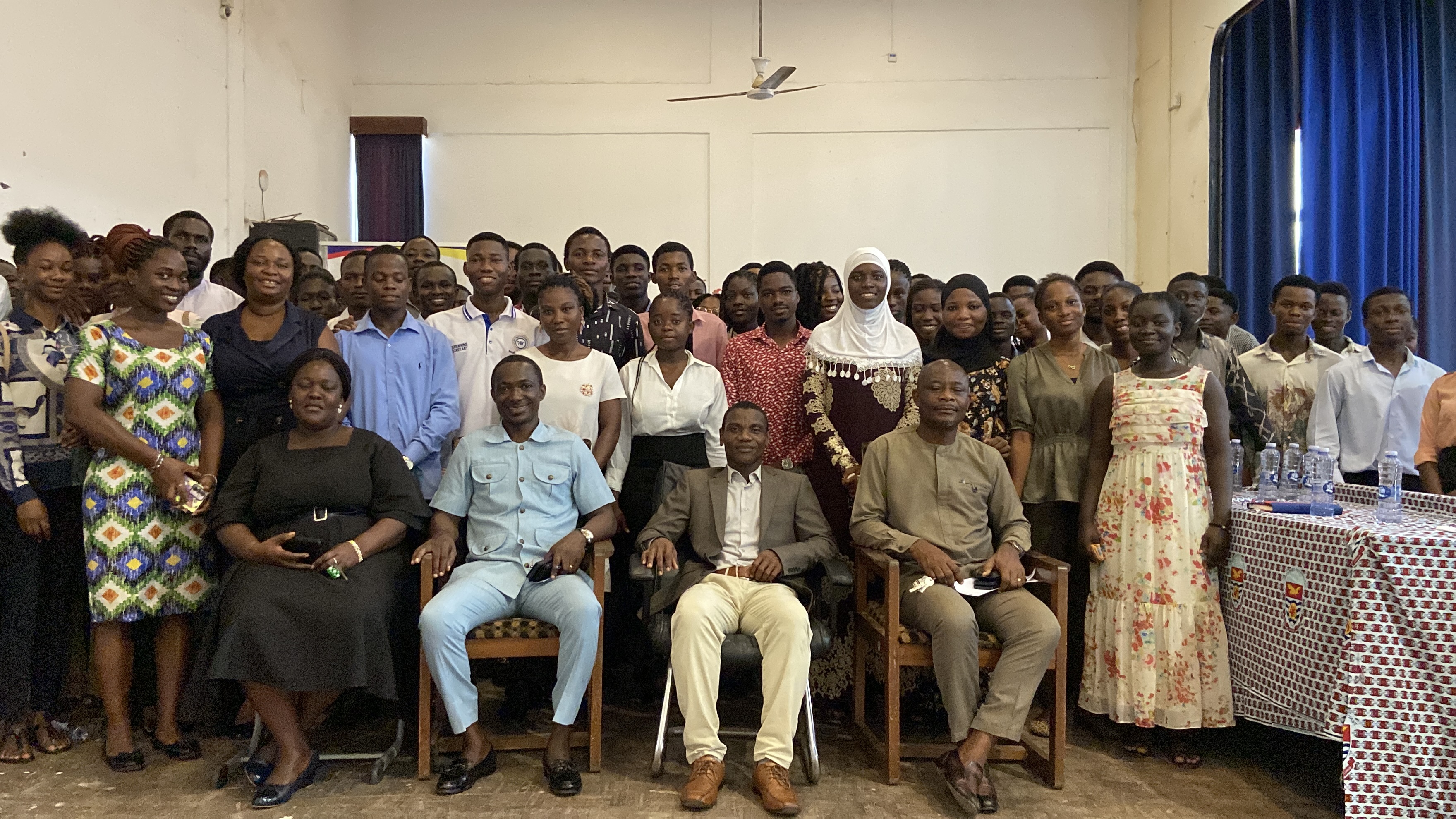
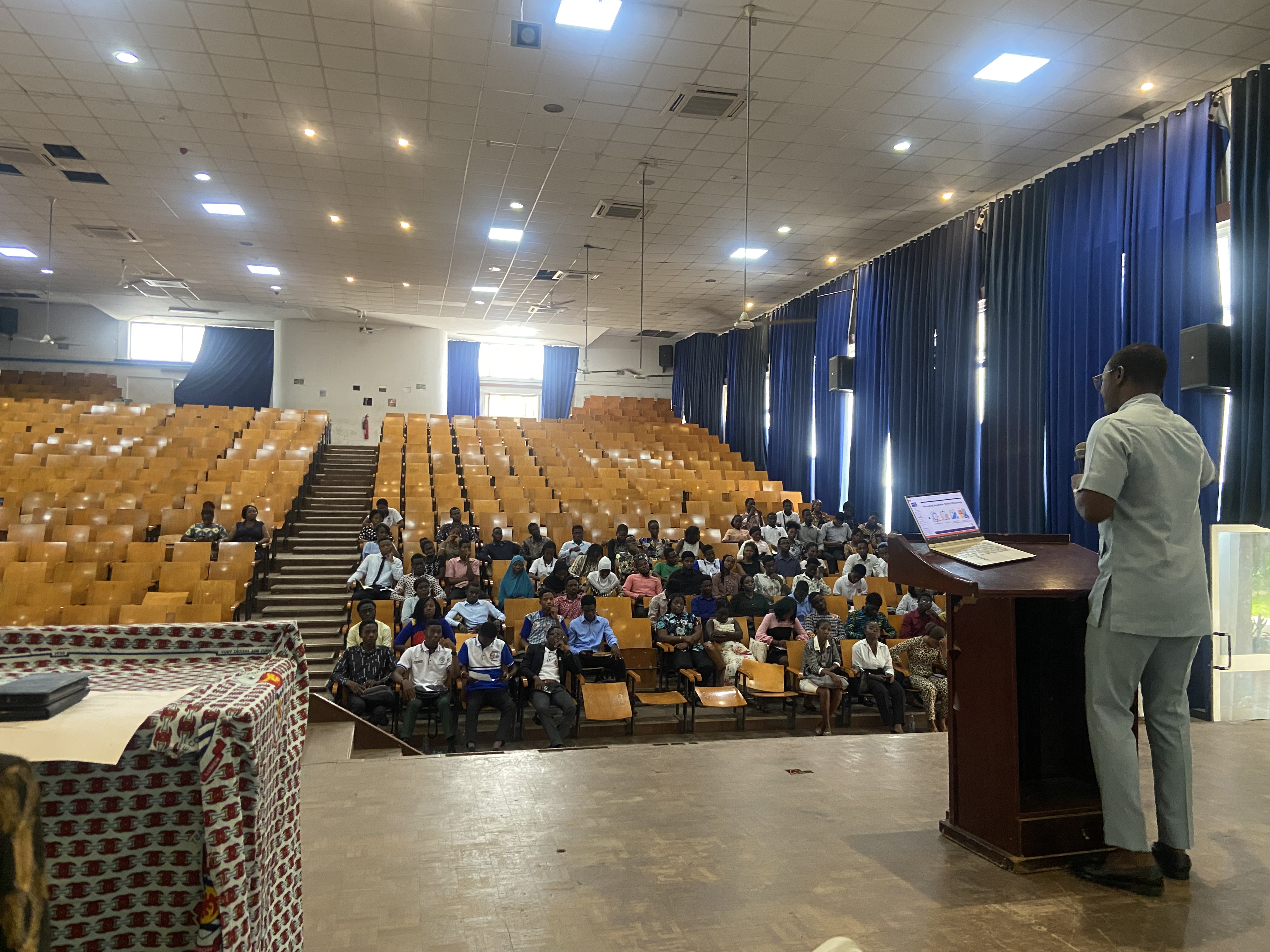
On 18 February 2026, the Students’ Financial Support Office organised the maiden edition of the Academic Performance Monitoring (APM) Interactive Session at the Main Auditorium. The theme of the programme was “Empowering Scholars for Academic Success and Personal Development.”
The session brought together scholarship awardees to remind them of the responsibilities associated with their awards and to provide guidance on achieving both academic excellence and personal growth. The programme featured presentations on academic performance and mental
SESSION OVERVIEW
The Chairman of the occasion was Dr Samuel Essamuah Assabil, Vice-Dean, Office of the Dean of Students. In his opening remarks, he informed the awardees that the scholarship constituted a lifetime opportunity that had been created for them. He urged them not to disappoint the University in light of the opportunity granted to them. He further encouraged the awardees to maintain good academic discipline and to prioritize their personal development.
He further emphasized that the session was not merely a routine activity but a significant platform for promoting accountability, academic discipline, and personal development among scholars.
The programme was structured into two main sessions, focusing on academic performance and personal development.
SUMMARY OF KEY SESSIONS
Session 1: Academic Excellence as a Scholarship Responsibility
The first session was facilitated by Prof. Samuel Kwesi Nkansah. He emphasized that a scholarship should be regarded as a responsibility rather than merely a financial benefit.
Using academic performance data, he demonstrated that although many scholars were performing satisfactorily, some had experienced a decline in their academic results. He clearly outlined the academic standards expected of scholarship beneficiaries and stressed the importance of discipline, integrity, and consistency in their studies.
Prof. Nkansah encouraged students to take full advantage of the University’s available support systems, including mentorship initiatives and academic support programmes, to sustain and enhance their performance.
Session 2: Building Resilience and Managing Academic Stress
The second session was led by Dr. Kyereme Tawiah Dabone, who presented on the topic building resilience and managing academic stress. His presentation focused on mental health and the challenges associated with academic pressure.
Dr Dabone discussed practical strategies for managing stress and anxiety, highlighting the importance of resilience, positive thinking, and healthy coping mechanisms. He also encouraged students to seek professional support when necessary and reminded them that accessing the University’s counselling services is both confidential and responsible.
CONCLUSION
The maiden APM Interactive Session successfully integrated high academic expectations with practical support for student well-being.
In his closing remark, the Chairman encouraged all awardees to utilize the opportunity granted to them wisely. He further urged them to take full advantage of the insights shared during the presentations and strive to improve their Cumulative Grade Point Average (CGPA), so that they would ultimately be proud of their academic achievements.
Overall, the programme achieved its objective of reminding scholars of their responsibilities while equipping them with the knowledge and tools necessary to sustain academic excellence and foster personal development.
The maiden APM Interactive Session successfully integrated high academic expectations with practical support for student well-being.
In his closing remarks, the Chairman encouraged all awardees to utilize the opportunity granted to them wisely. He further urged them to take full advantage of the insights shared during the presentations and to strive to improve their Cumulative Grade Point Average (CGPA), so that they would ultimately be proud of their academic achievements. The Chairman also reminded the awardees that the certificate awarded at the end of their studies would bear their individual names, underscoring the importance of personal responsibility and academic excellence.
Overall, the programme achieved its objective of reminding scholars of their responsibilities while equipping them with the knowledge and tools necessary to sustain academic excellence and foster personal development.